
Dynamic Island: Neverland and the new iPhone 14 Pro
The Dynamic Island on iPhone 14 Pro: how Apple turned the notch, born with iPhone X in 2017, into a software feature, and why it feels like a stroke of genius.
Translated from Italian with the help of AI and reviewed by the author.Read the original
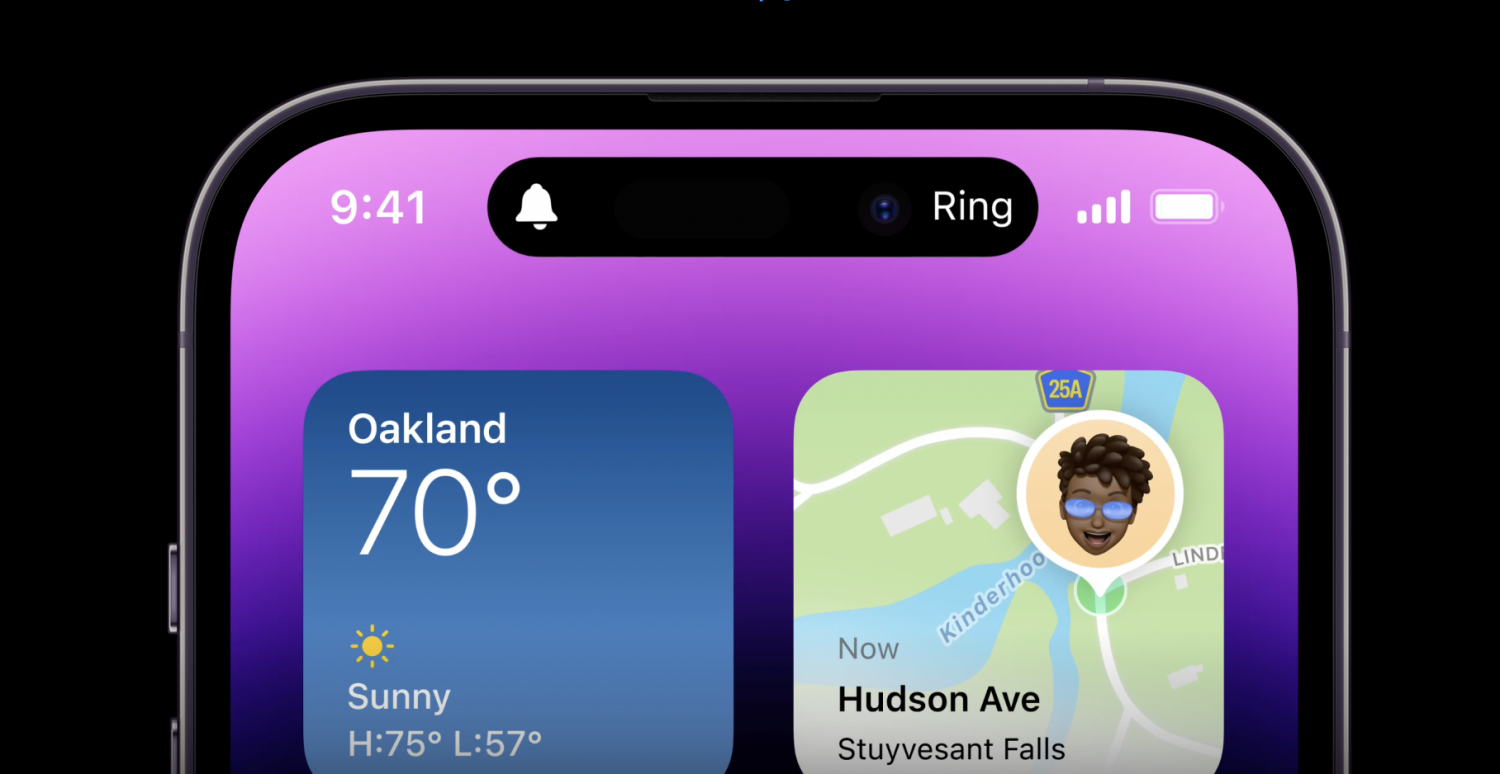
A stroke of genius. A move nobody expected. Not even the most hardened leakers had grasped the essence of that magic hole which, until a couple of hours earlier, was rumored to take some not well identified digital shape.
Hundreds of words and minutes spent talking about it. The defeatists were already ready to announce the end of Apple, which would lose its distinctive brand: the notch. Someone more cultured wondered whether this choice had not led to dangerous asymmetries and cognitive difficulties with the content shown on screen. Someone else swore to have proof that the notch would become an i of iPhone turned on its side.
One thing is certain. Nobody managed to take away from Tim Cook and his Apple an astonishing surprise effect.
So here we are, admiring in awe and speechless the latest masterstroke from Apple at its event of yesterday, 7 September 2022: the Dynamic Island.
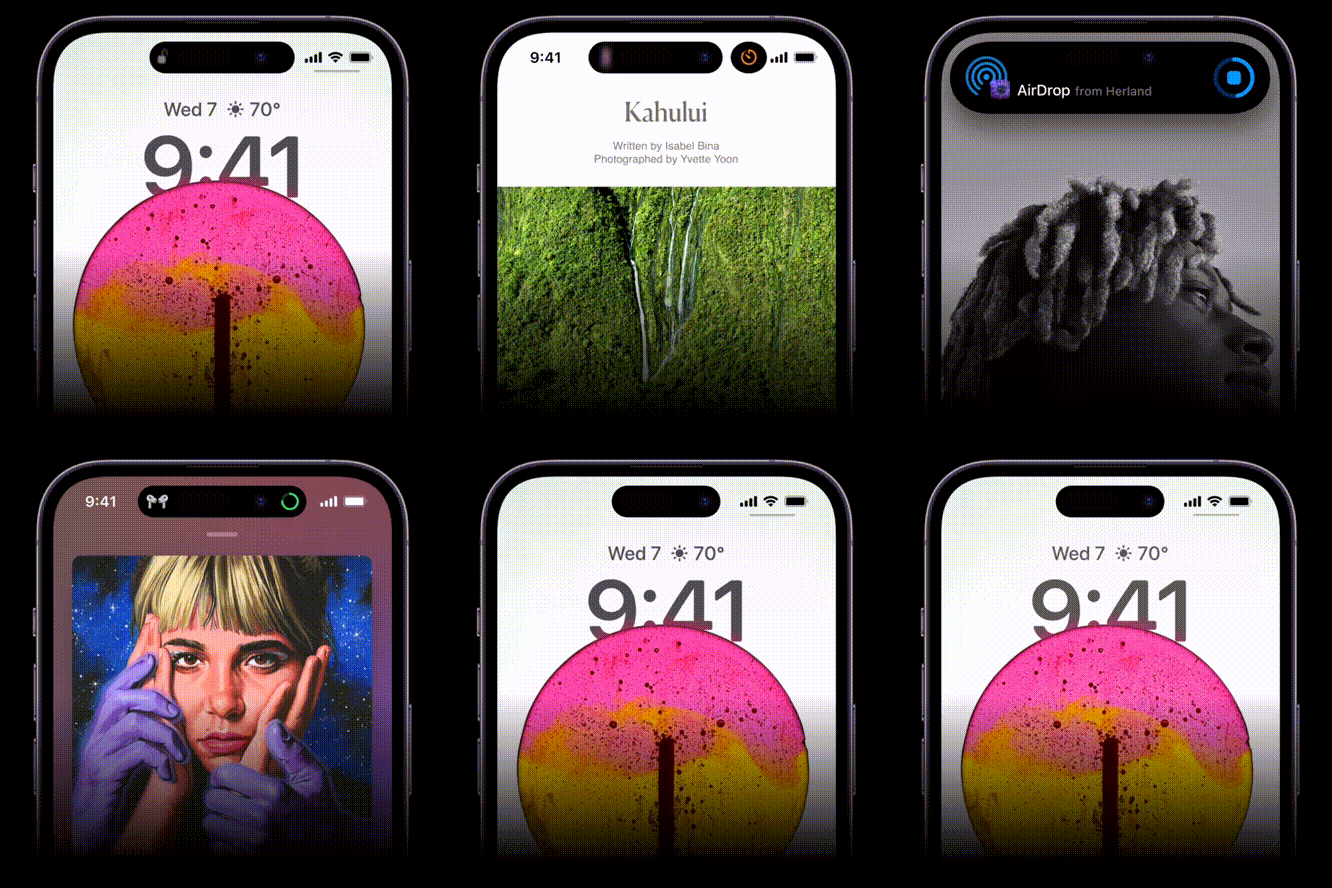
A concept that clearly shows how Apple's design evolves over the years following a precise script, and never at random.
In 2017 (5 years ago, ed.) Apple announced the iPhone X to the world, the first device with a notch, a cutout at the top center of the screen meant to house the bulky sensors for face recognition and the front camera. The choice was heavily debated and caught the eye of the specialized IT press with a mix of approval and dissent, as always, I would add.
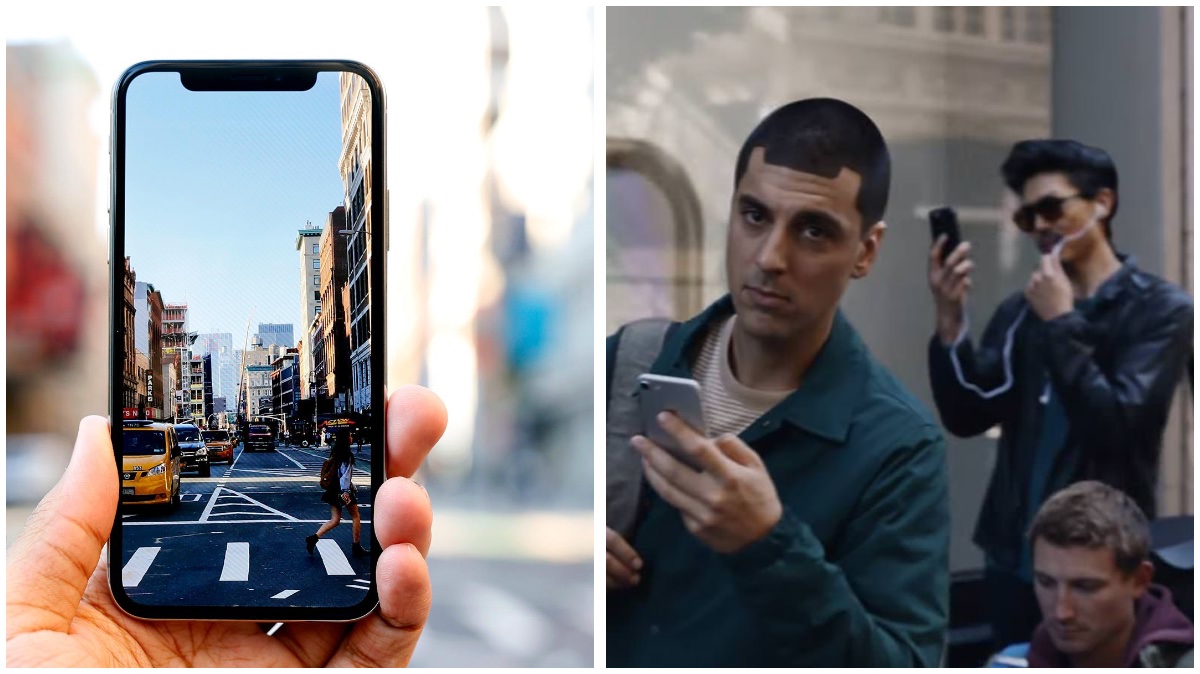
At the time OLED displays were already a hot topic and iPhone X had one. We have since seen 4 more revisions of this notch, through Xs, 11, 12 and 13. In the latest revisions its size was slightly reduced and over these 5 years it has become a bit part of us: a unique identity of the Apple brand and of the iPhone. Copied in countless attempts by the competition, but never matched in its stupid and absolute simplicity.
It is 2022 and the time is ripe to go beyond. The display on the new iPhone 14 Pro has a peak contrast ratio of 2,000,000 : 1 and blacks as pure as ever.
It is time, in short, to make creative those holes in the screen that remain indispensable to host sensors and cameras.
Technology is now ready to turn into magic, to give the user the feeling that those holes are not an obstacle but, on the contrary, a feature that makes the experience on the new iPhone more fluid and unforgettable.
It makes me smile because, in this too, I find an analogy with the philosophy of the beloved and late Steve Jobs, who turned a hardware problem on the iPhone 4 into a killer feature, giving birth to the market of cases and bumpers.
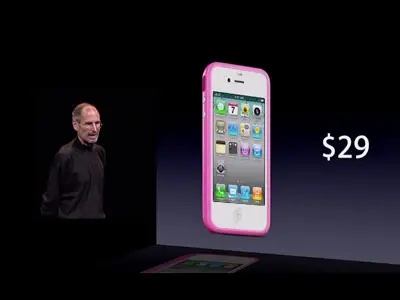
What can I say? The result of this dynamic island suddenly makes everything look old. Any existing version of the notch suddenly takes us back well over 5 years, making the whole experience around it feel dated.
An Apple ad I am very fond of comes to mind, which in my opinion perfectly captures the process of conceiving and building this masterpiece of synergy between hardware and software.
There is a lot of loose talk that today's Apple no longer knows how to innovate and that there is not much more to get out of our smartphones. In part it is true: we are at the edge of an island and, sooner or later, we will have to set sail to look for other lands.
Knowing how to innovate is also this: seeing something on the horizon that is not there and turning it into a real, tangible island.