
iPadOS, Catalyst and Sidecar
After a week with an iPad Pro and a Bluetooth keyboard: why iPadOS, Catalyst and Sidecar matter more than the hardware, even if it won't replace my MacBook Pro.
Translated from Italian with the help of AI and reviewed by the author.Read the original
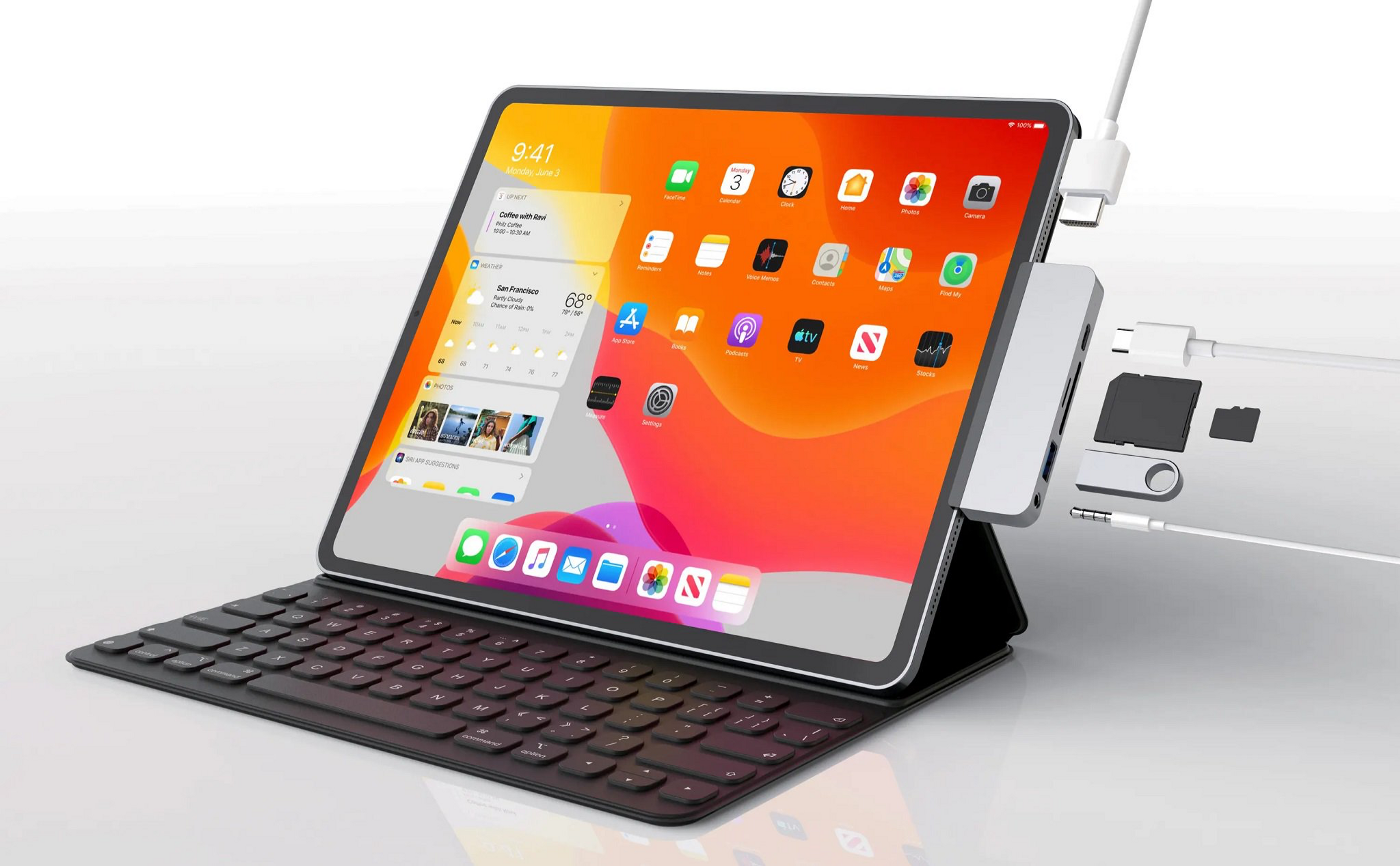
I had decided not to comment on the new iPad Pro from the day it first came out. After all, I thought it was just one more commercial move by an Apple led by Tim Cook, a skilled businessman and only remotely a visionary, aiming at profit and sales in a market segment that is by now saturated. No, talking about it would only have fed the buzz of blogs and fanatics, one way or another.
I was wrong. This product deserves all our attention, for a number of reasons I will try to explain.
Let's take it in order. The tablet market is saturated and in steep decline. KGI claims that, together with iPhone, it will contribute to an unprecedented drop in iOS device sales over the 2016/2020 period. That may well be true, but it does not mean there is no room to innovate.
The average user will probably notice these innovations late, or maybe not at all, but that does not mean Cupertino is not trying to innovate. What we expect from a tablet, as Phil Schiller theatrically explained during the presentation of 21 March 2016, is the ability to replace our old personal computers in all our daily activities. Since the first iPad Pro, Apple has claimed that the new iPad is the ideal replacement for the “boring” PC of the 1980s. Better still, it is the modern interpretation of how we express ourselves, create, study and have fun. Is that true?
Taking advantage of the news presented at WWDC 2019, I decided to run an in-depth test with an iPad Pro to understand the state of the art and how close the claim above is to reality. I did not use the keyboard sold as an accessory, for a simple reason: it can only be used in a forced position (so no extreme typing on the couch or in bed) and it costs a fortune. For this week of testing I chose a far more capable and comfortable Apple Bluetooth keyboard, so I can move and sit however and wherever I want. Besides, when I am on the move I really do not see what I would do with a physical keyboard at all.
Apple Pencil, on the other hand, is spectacular. Using a pencil is so deeply rooted in our modern culture that using one with an iPad feels almost more natural than using our fingers (for some activities fingers are still better, in terms of effectiveness and feedback).
The new revision of the pen has also come a long way since the first version, which had a cap hiding the charging connector (practically lost before you even opened the box), no place to store the pen safely on the iPad and, a detail I would gladly skip, a truly controversial charging mechanism.
We are certainly at a turning point, but saying that the new iPad replaces the personal computer is at the very least a stretch. My job is writing applications as well as coordinating a team of developers. I call all of these operations “complex”, not because of their content but because of the way they are carried out. Picture a typical day with a hundred emails to answer, twenty phone calls to take notes on, two or three Xcode projects open for code review and an endless number of documents to consult, annotate and write. I am absolutely convinced this job is bad for one's mental and physical health, but it is too late to change course now and, deep down, I like it a lot.
Clearly, with these premises, the iPad Pro cannot possibly replace my MacBook Pro: too many things are more cumbersome and less precise. At the same time, some things are extremely simple, fast and effective. Taking notes, answering email, writing this article and communicating are disarmingly easy.
Don't get me wrong, this is not about power: the new iPad has plenty of it, and a quick search turns up hundreds of power comparisons between iPad and MacBook. In terms of technology we are looking at a gem that has nothing to envy a high end laptop.
Fortunately for us, the problem lies elsewhere. It is clear that iOS as we know it shows its limits. Anyone who used and worked with the first version of iOS cannot help noticing the incredible changes and effort of the past years. iOS 7 changed the way we think about interfaces; iOS 8 showed us that it is not a matter of how many apps you can keep open at the same time but of how you make them talk to each other; iOS 9 consolidated communication between devices, making it a pleasure for the mind to move from one device to another. iOS 10, 11 and 12 were a continuous refinement of details of stability, style, usability and experience, which few others in the software world have had the courage to pursue over such a long period: it takes courage not to flood every new release of the operating system with half-tested, hard to use and poorly thought out features.
Something was still missing to close the circle. Microsoft tried, in its own way, to represent that missing piece with Windows 10 and Microsoft Surface. Google has been trying for years with the idea of a converging web (and browser) where you can do everything, while waiting for Fuchsia.
Apple, instead, with a surprise move, showed its vision of the long awaited convergence between devices. I am talking about iPadOS and Catalyst.
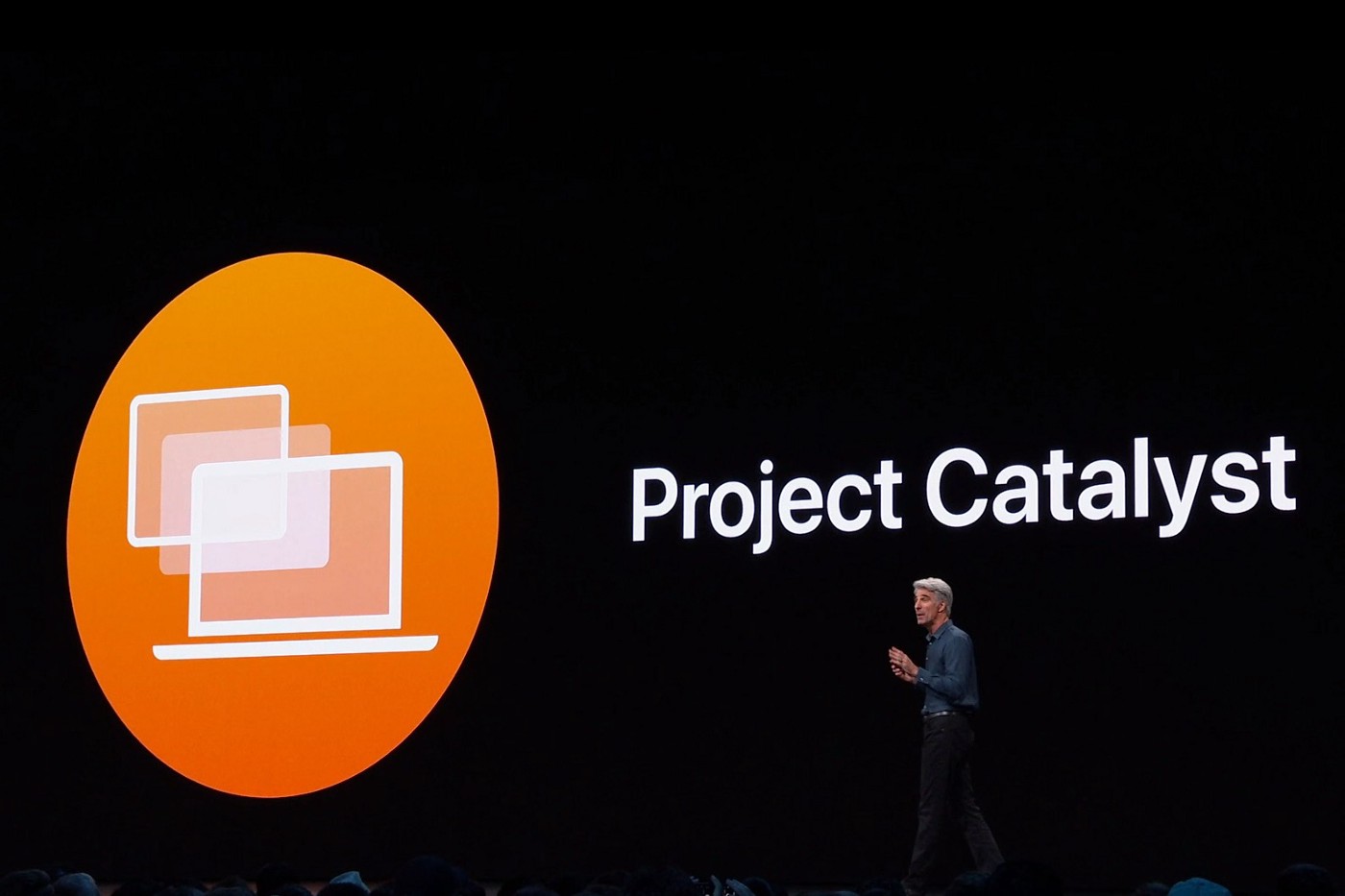
Being a big company is not easy. It confines you to a difficult position where everyone always expects “something more”. Apple therefore had to express this concept in a different way: Think different, as someone would say.
No Apple user would have been satisfied with having the desktop and the Finder bar on their iDevice. After all, Apple users are known to be a bit more demanding and creative.
And so here comes iPadOS. It is not a new operating system but simply an extension of the iOS we have grown used to and love. Extensions that enable new, never seen features: Multitasking, Desktop and interconnection features we had all only dreamed of. Taking a close look at the APIs available with iOS 13, you can see an endless supply of new resources for building drivers and USB communication and interface mechanisms. Fantastic.
I do not think we will get a flat, obvious convergence like the one Microsoft showed and talked about. I do not think my MacBook's screen will ever become touch. At the same time, though, I see that bringing a native iPad application to macOS is child's play and that my iPad's screen can become the long desired tactile surface for talking to my computer through Sidecar.
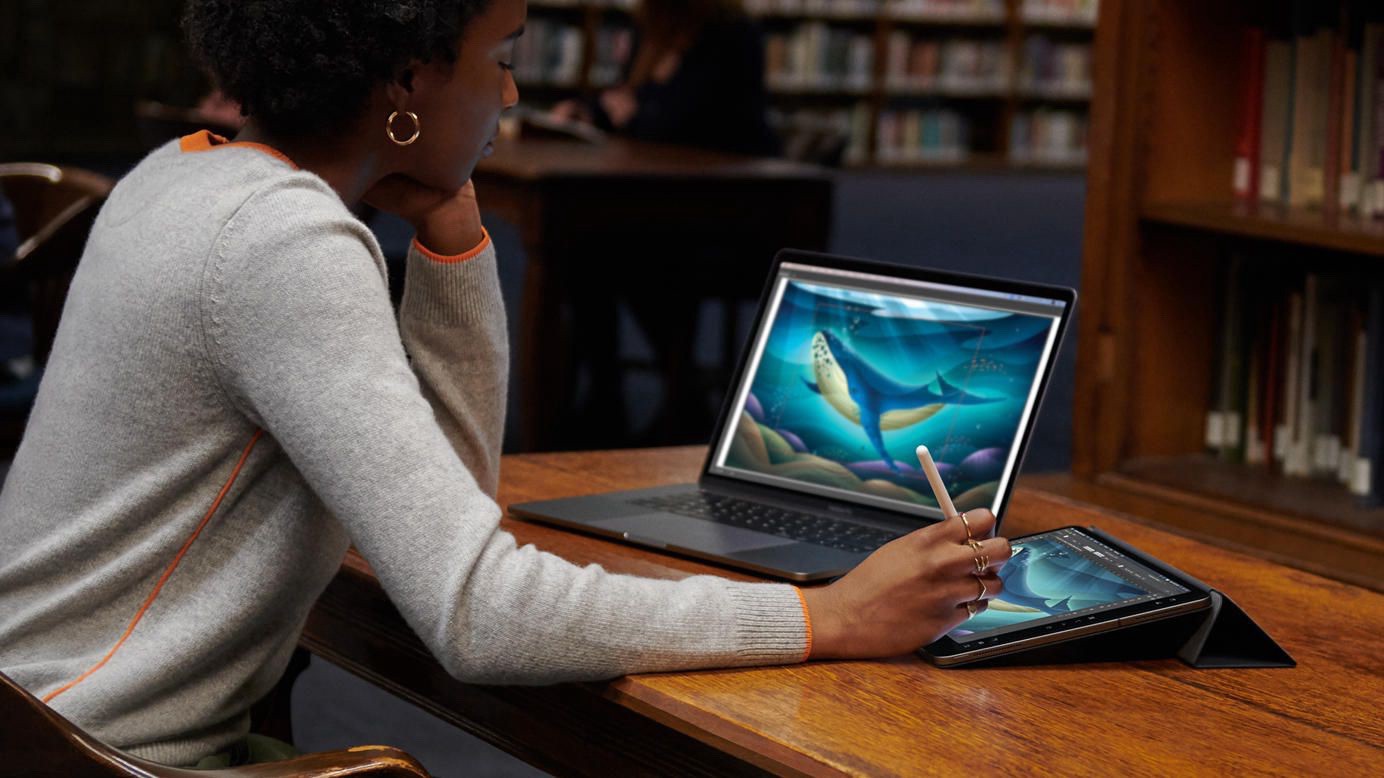
Apple will try to show that style and an overall vision, above all, can be the start of a subtle and elegant change, no less effective for that, in the way we talk to machines.
In my personal view, this June WWDC presented a lot of great news, among them the introduction of iPadOS, Continuity and Catalyst.
It will probably be an event that goes down in history and marks an epochal passage for everyone who still needs the old desktop and the Finder bar to work. If you do not believe me, try connecting a keyboard to the new iPad Pro and press ⌘+Tab.